
Project Greenlight
Project Greenlight
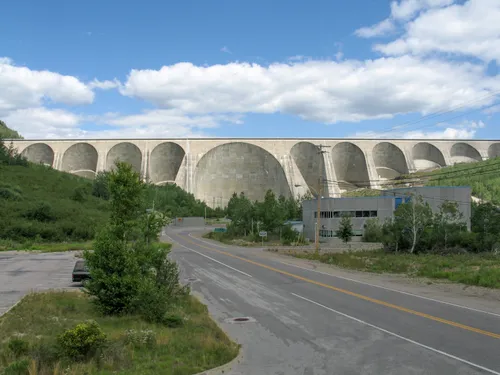
Hydroelectricity is the oldest source of energy, through waterwheels. This energy can be as simple as crushing grain, using a waterwheel. You can also use it in more complex ways like impoundment. In a traditional hydroelectric dam, they use a method called impoundment. water is stored in a large area like a dam and then the flows down spin a turbine which turns a generator making electricity.
It is used in homes and large businesses. Since it doesn't need to be burned and is just straight electricity it can be used in many ways. This is the main reason it is the most popular renewable resource. The main people that use this energy are homeowners and large business owners.
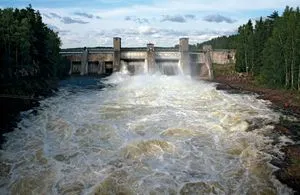
Building and maintaining hydropower plants entail substantial financial investments. The average cost of constructing a 1,100 MW hydropower plant is approximately 1 million dollars. While this may seem like a considerable expense, the long-term benefits and sustainable energy output make it a valuable investment for cities that can afford the initial costs. Integrating hydropower into a city's electricity infrastructure not only contributes to cleaner energy but also establishes a more sustainable and environmentally friendly power source.
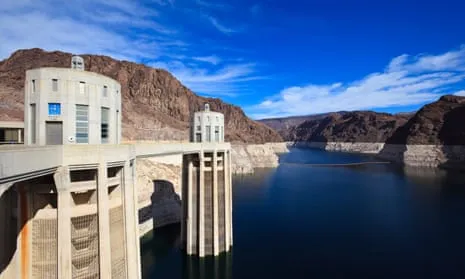
Hydroelectricity produces massive amounts of energy that can power cities! It is Renewable and Sustainable, it uses water so it's renewable. It also lasts for a long time. They usually have a life span exceeding 50 years, this helps contribute to the stability and predictability of the energy generation. Since hydropower uses reservoirs, which can serve many purposes like water storage for irrigation, and flood control. Making these large-scale hydropower plants takes time and with the creation of these come many job opportunities. Water Supply these reservoirs hold lots of water that can be used for many other things.
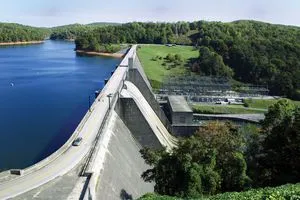
The key advantage of green energy is its reduced environmental footprint, as it produces fewer greenhouse gas emissions and pollutants compared to conventional fossil fuels. Investing in and transitioning to green energy sources is a crucial step in addressing climate change and creating a more sustainable and environmentally friendly energy system.
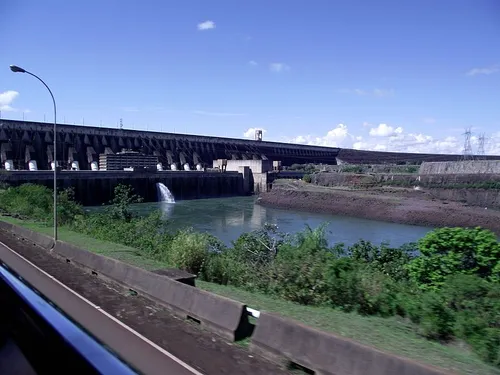
Hydropower stands as a formidable source of energy with its abundant production, renewable nature, and versatile applications. While it brings numerous benefits such as job creation and water management, it is not without challenges. Addressing ecological impacts, community displacement, and other cons requires careful consideration and responsible development practices. Striking a balance between harnessing the power of flowing water and mitigating potential drawbacks is crucial for the sustainable future of hydropower.