
Project Greenlight
Project Greenlight
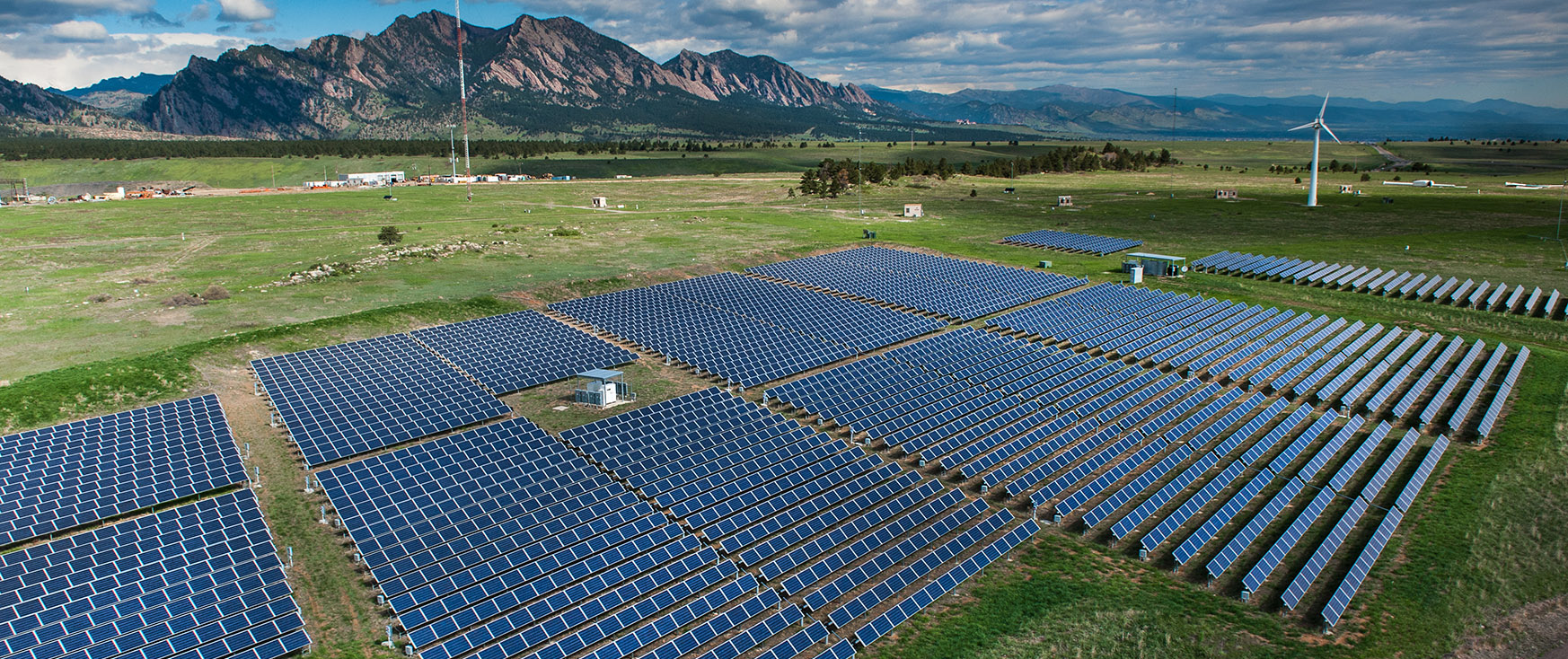
Green energy, also known as renewable energy, refers to energy derived from resources that are naturally replenished on a human timescale and have minimal environmental impact. The primary characteristic of green energy is its sustainable nature, as it doesn't deplete finite resources and typically has lower emissions compared to traditional fossil fuels.
Often called photovoltaic power, solar power captures the sun's rays using special cells to make electricity. It's a key part of green energy, turning sunlight straight into power without harming the environment. This renewable energy source helps us rely less on things like coal or oil, making our planet cleaner and more sustainable.
Read More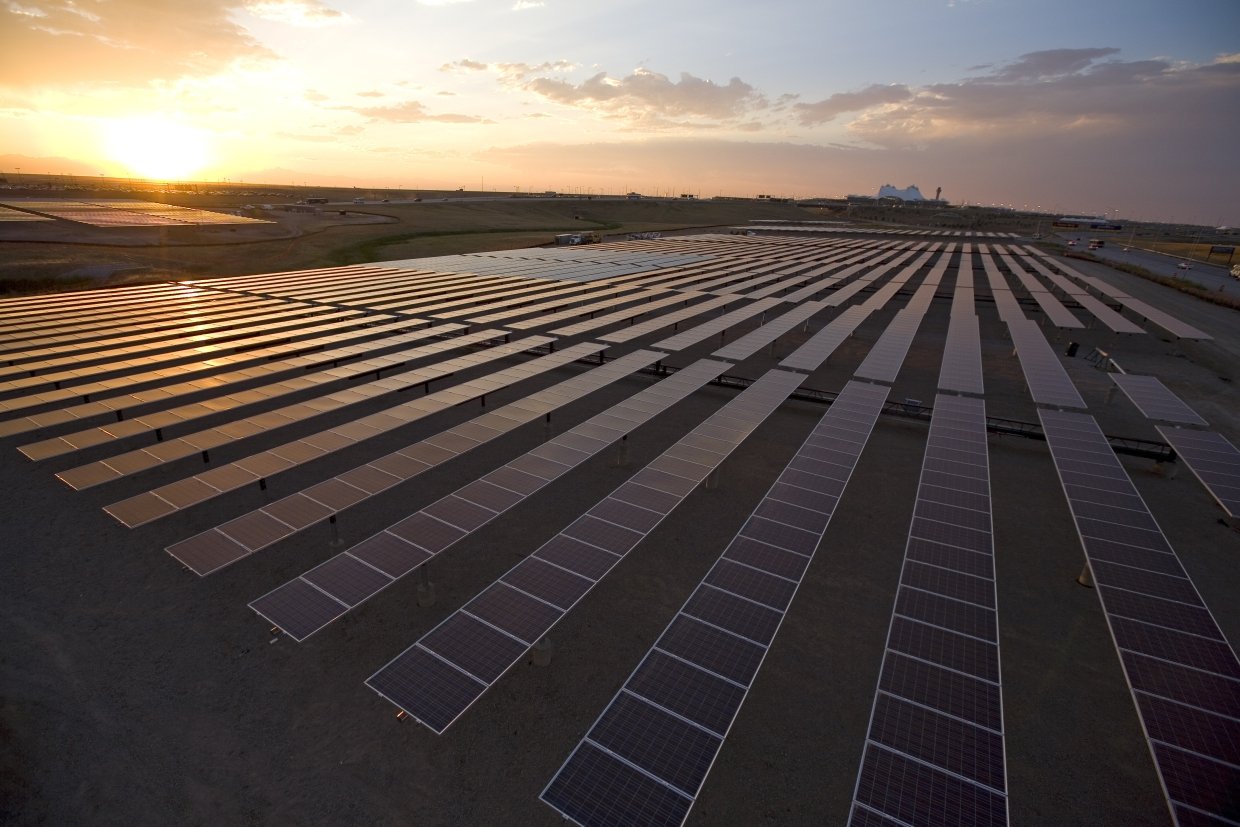
Wind energy works by using the power of the wind to create electricity using wind turbines. It's a way of making energy that takes advantage of the wind's movement, turning it into usable power. This method helps generate electricity without using up limited resources and contributes to a cleaner environment.
Read More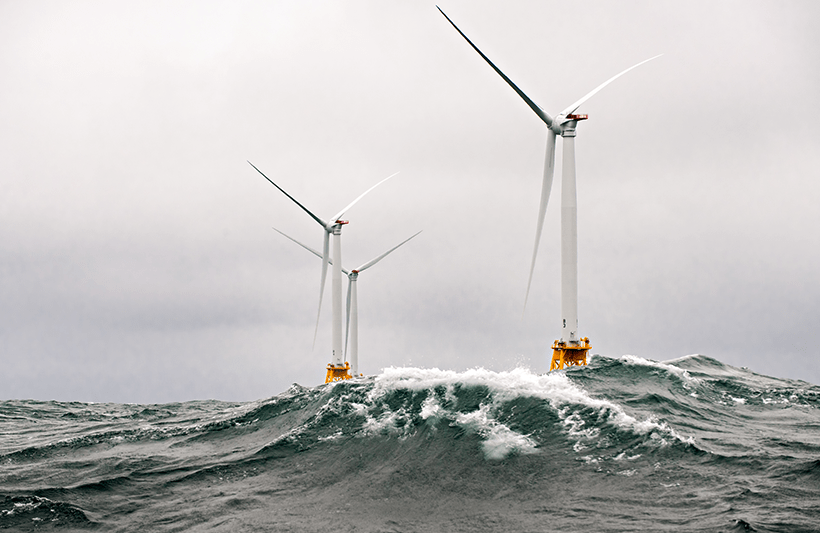
Geothermal energy taps into the Earth's heat by using steam or hot water from below the surface to make electricity or provide heating. It's a way of using the Earth's natural warmth to create power or warm spaces directly. This method of energy production is eco-friendly and harnesses the Earth's resources for sustainable energy needs.
Read More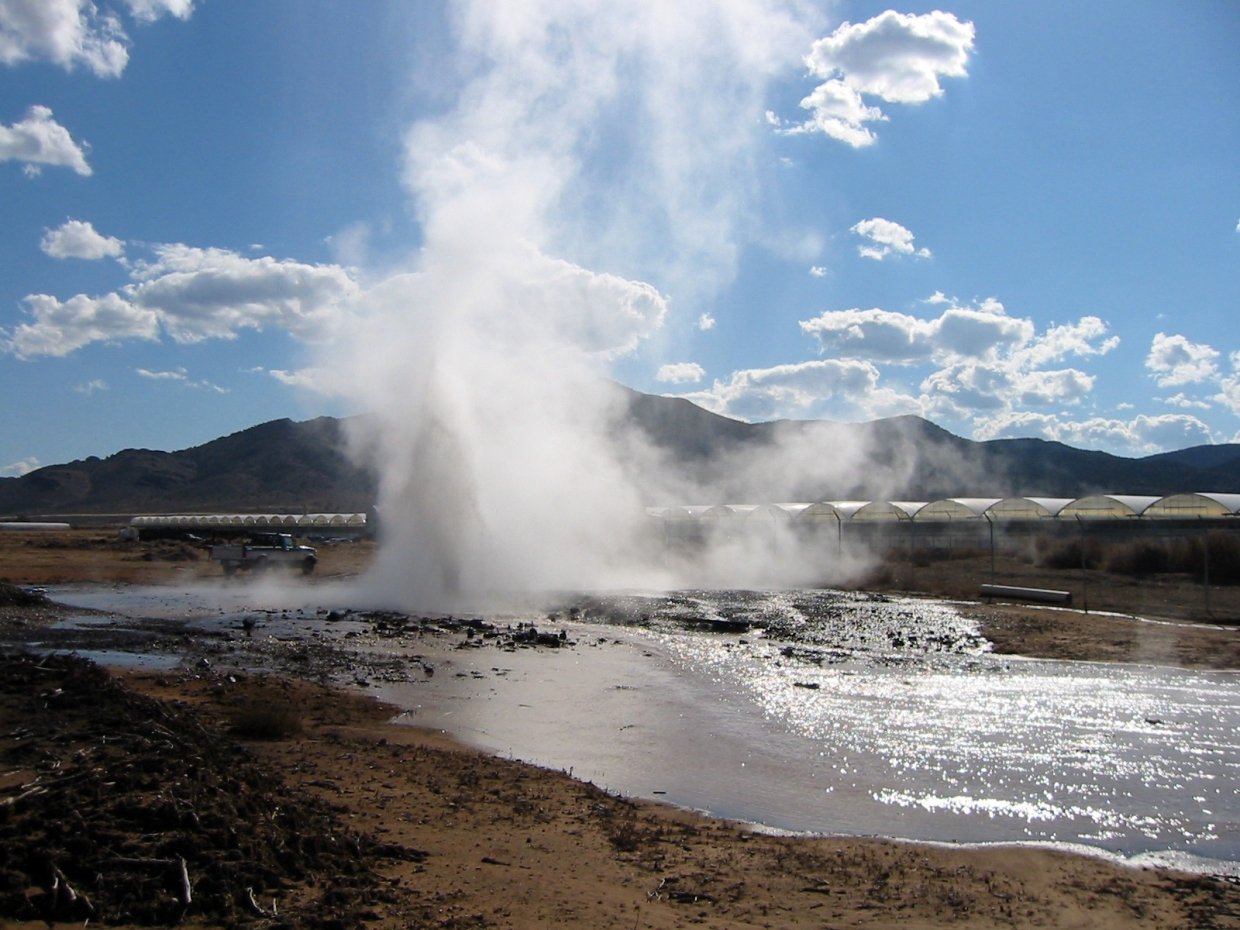
Biomass energy involves using natural materials like wood, leftover crops, or waste to create heat or electricity through burning or other methods. It's a way of using organic matter to generate power, helping to reduce waste and make use of materials that might otherwise be discarded. This approach contributes to sustainable energy production by utilizing renewable resources.
Read More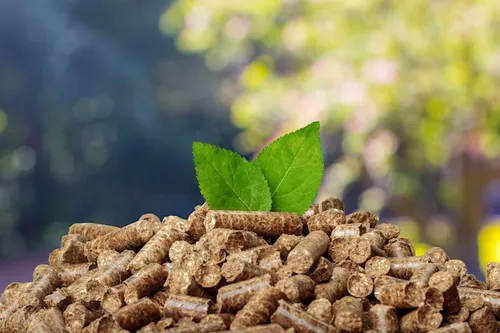
Hydroelectricity generates power by using the movement of water, often in rivers or dams, to produce electricity. It harnesses the force of flowing water to generate clean energy without burning fossil fuels. This method of electricity production is a reliable and established renewable energy source, providing a significant portion of the world's electricity.
Read More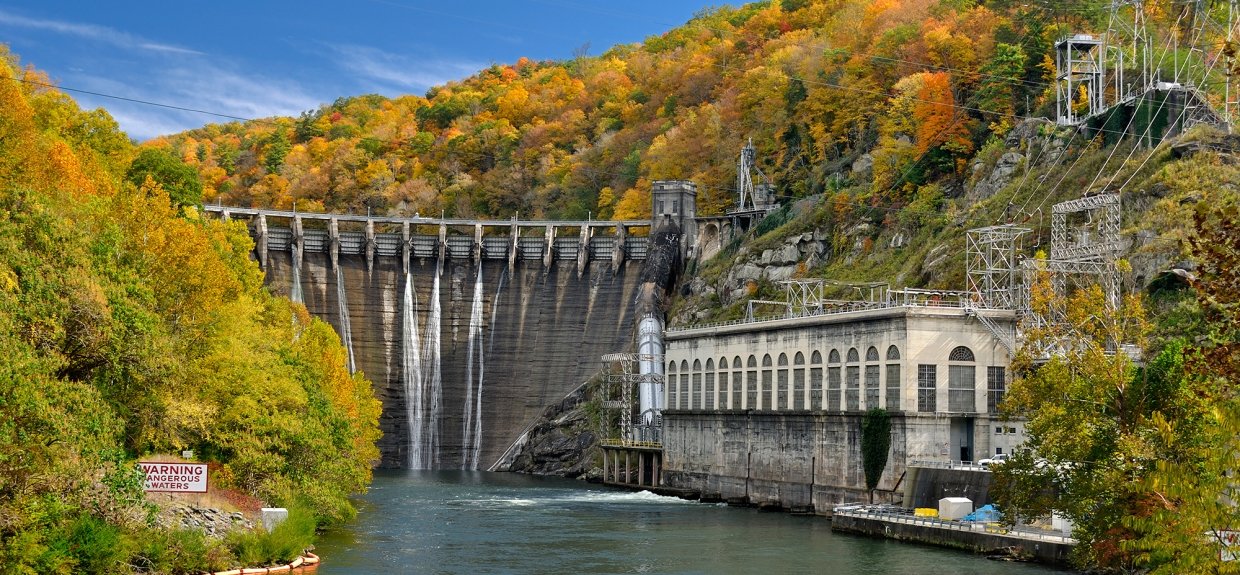
Exploring and developing new technologies that could add to green energy options, like improved solar techniques, tidal energy, or better ways to store energy. These advancements aim to expand our choices for clean energy sources, potentially making them more efficient and accessible for a sustainable future.
Read More
The key advantage of green energy is its reduced environmental footprint, as it produces fewer greenhouse gas emissions and pollutants compared to conventional fossil fuels. Investing in and transitioning to green energy sources is a crucial step in addressing climate change and creating a more sustainable and environmentally friendly energy system.
Opt for biking or using non-gas vehicles for shorter trips. Use electric vehicles instead of gasoline-powered ones. Carpool or take public transportation. Encourage others to adopt green energy practices. Biking and using electric vehicles reduce carbon emissions and offer eco-friendly transportation alternatives. Carpooling and taking public transportation reduce the number of cars on the road, further lowering emissions. Picking up trash helps keep our environment clean and safe. Reducing fossil fuel usage is essential for our planet's well-being and can be achieved through various means, such as electric vehicles, electric heating, and renewable resources. Lastly, influencing others to follow these practices is crucial for collective environmental progress.